4 Corner Model
Develop the whole player
Based on an understanding of the relationships between a player's technical, physical, psychological, and social development.
The FA's framework
I'm a mental performance coach for academy footballers.
I'm also a mental health doctor specialising in childhood and adolescence at the South London and Maudsley NHS Foundation Trust and researcher in developmental psychology at King's College London.
The mission behind everything I do is understanding how people become who they are, and helping them grow into the people they want to be.
You also know your players: the confidence player, the perfectionist, the training-ground player, the hothead.
Every one of these young athletes has an immature expression of a real need, and requires the right kind of support to meet that need more maturely – in a way that will benefit, not harm, their performance.
You encourage your players to play fearlessly, never get complacent, and interpret stress as strength not weakness – but how do you embed this mindset at the level of identity so it manifests in performance?
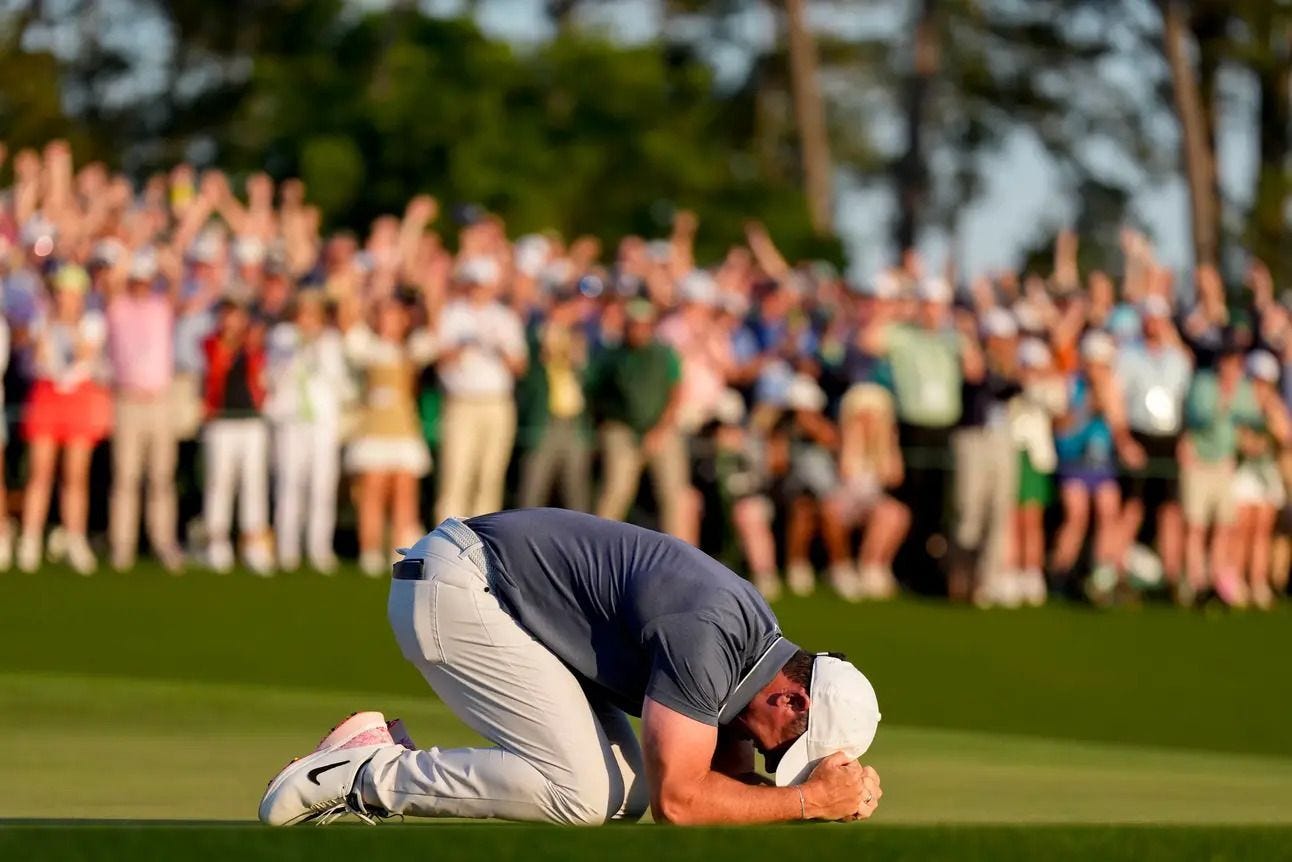
Mental performanceImagine two footballers stepping up to take a penalty.
They both score.
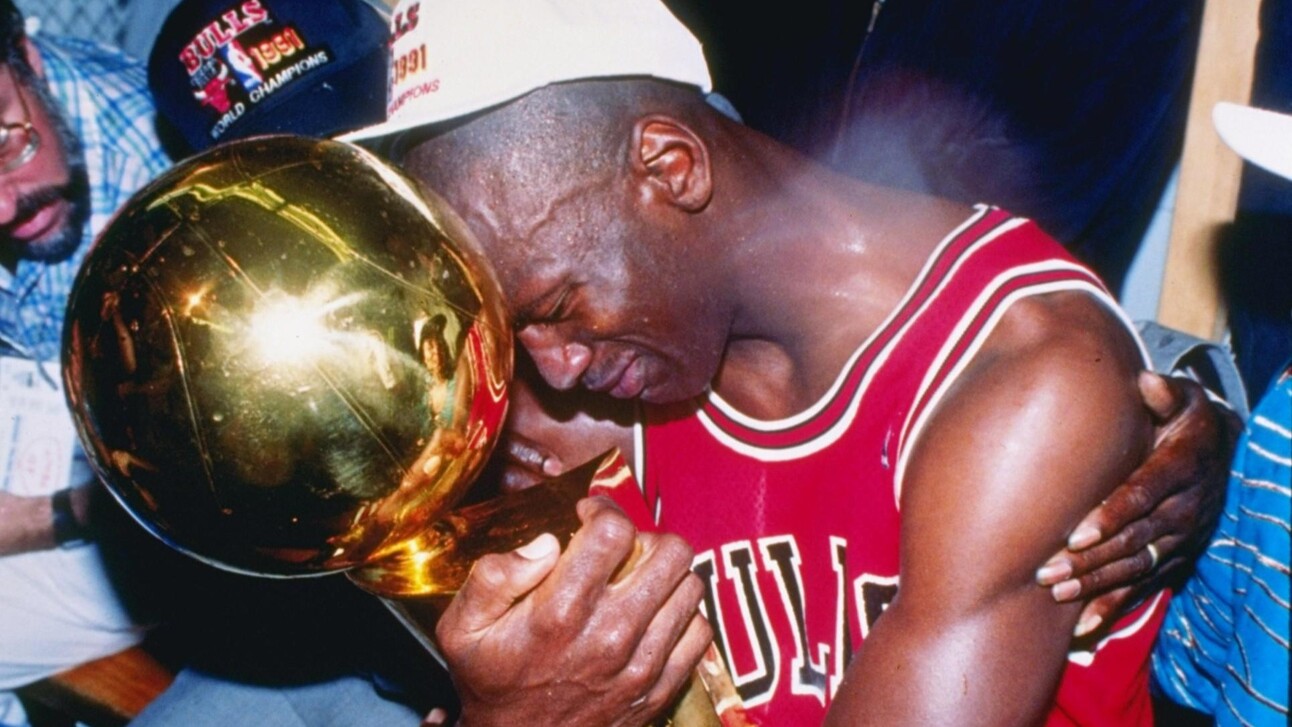
One feels relief that he hasn't let anyone down. The other feels fulfilled because he trusted himself, committed to his choice, and took responsibility for the moment.
Same outcome, similar competencies, different ways of being.
People are disturbed not by things, but by the views which they take of things.— Epictetus
Your mind is the lens through which you experience and respond to life. Every feeling, thought, and behaviour happens through your mind.
The purpose of my professional life is to figure out how we can create the healthiest possible conditions for the mind to flourish so we can live and perform optimally.
My mental health expertise gives me a unique understanding of how minds become the way they are from childhood and adolescence.
Understanding how our psyche has been structured is one of the highest leverage strategies to improve your mind because it reaches far back into the past and reconfigures the patterns that shape us.
In an academy, these patterns might show up in how a young player experiences a mistake, feedback, or being left out of the team.

As a mental health doctor, I help people move from -10 to 0.
As a coach, I help people move from 0 to +10.
By blending psychological medicine, developmental psychology, and the science of peak performance, I work across the full spectrum and provide a rich understanding that neither doctors nor coaches can provide alone.
If you're working in an academy, I'd be interested to hear which parts of developing young players you find most difficult and most rewarding. I'm keen to learn what you're doing already and how your system could be more effective.
I work with young footballers and the coaches invested in them.
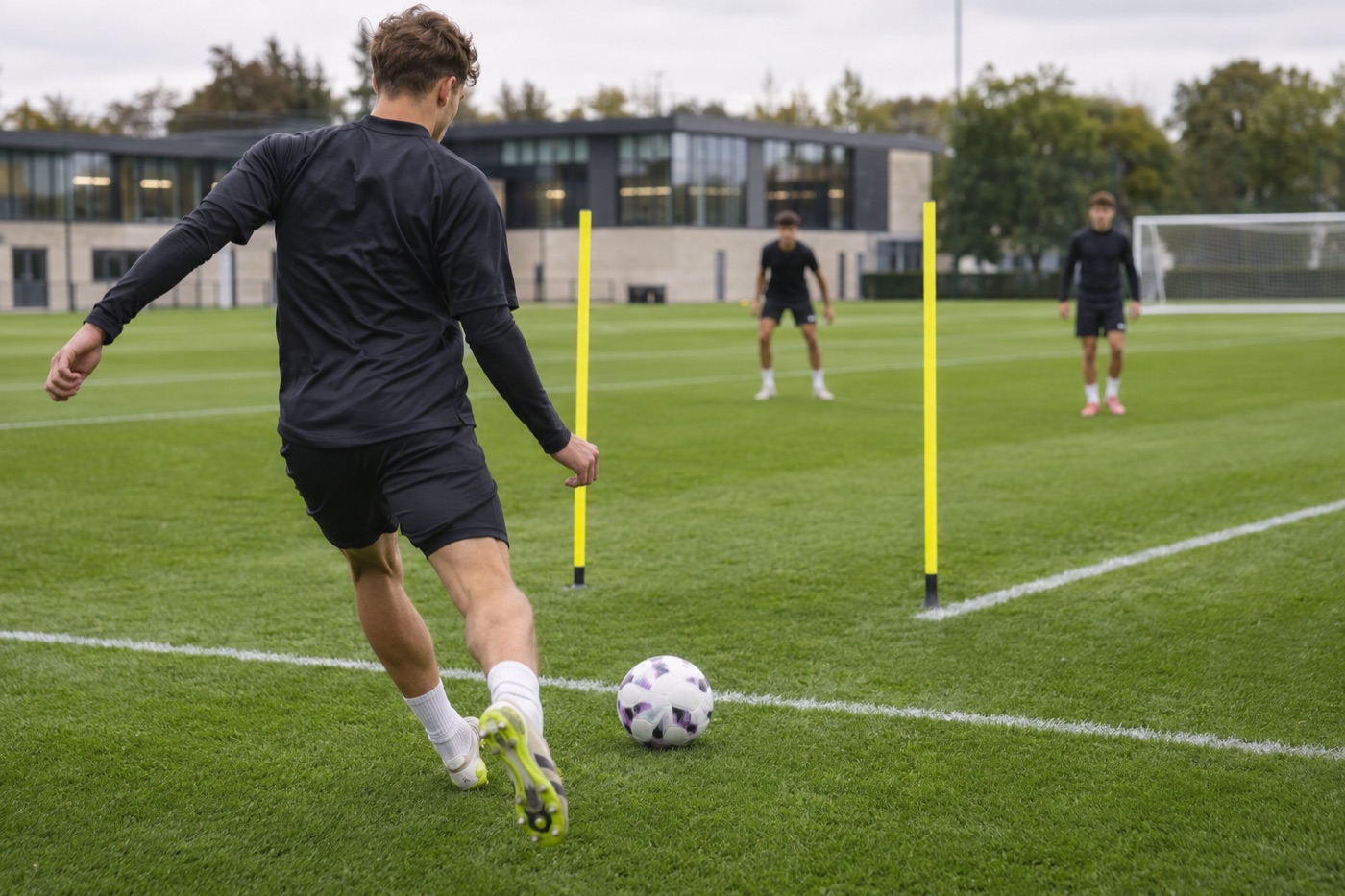
Whatever your outcomes may be — transition into senior football, mentally fit players, or support through selection and release — I start by understanding how you measure success.
Then, we work through the psychological levers we can pull on to improve those outcomes.
The FA's coaching guidance places psychological development alongside the technical, physical, and social parts of the game — particularly when you're working with young sportspeople whose identities are still developing.
Based on an understanding of the relationships between a player's technical, physical, psychological, and social development.
The FA's frameworkFA guidance includes work on emotion, resilience, and how relationships affect young people.
The FA's practical guidanceWelfare and safeguarding are right up there alongside football development — any coach needs to honour everything that keeps a young person safe.
The EFL's youth development framework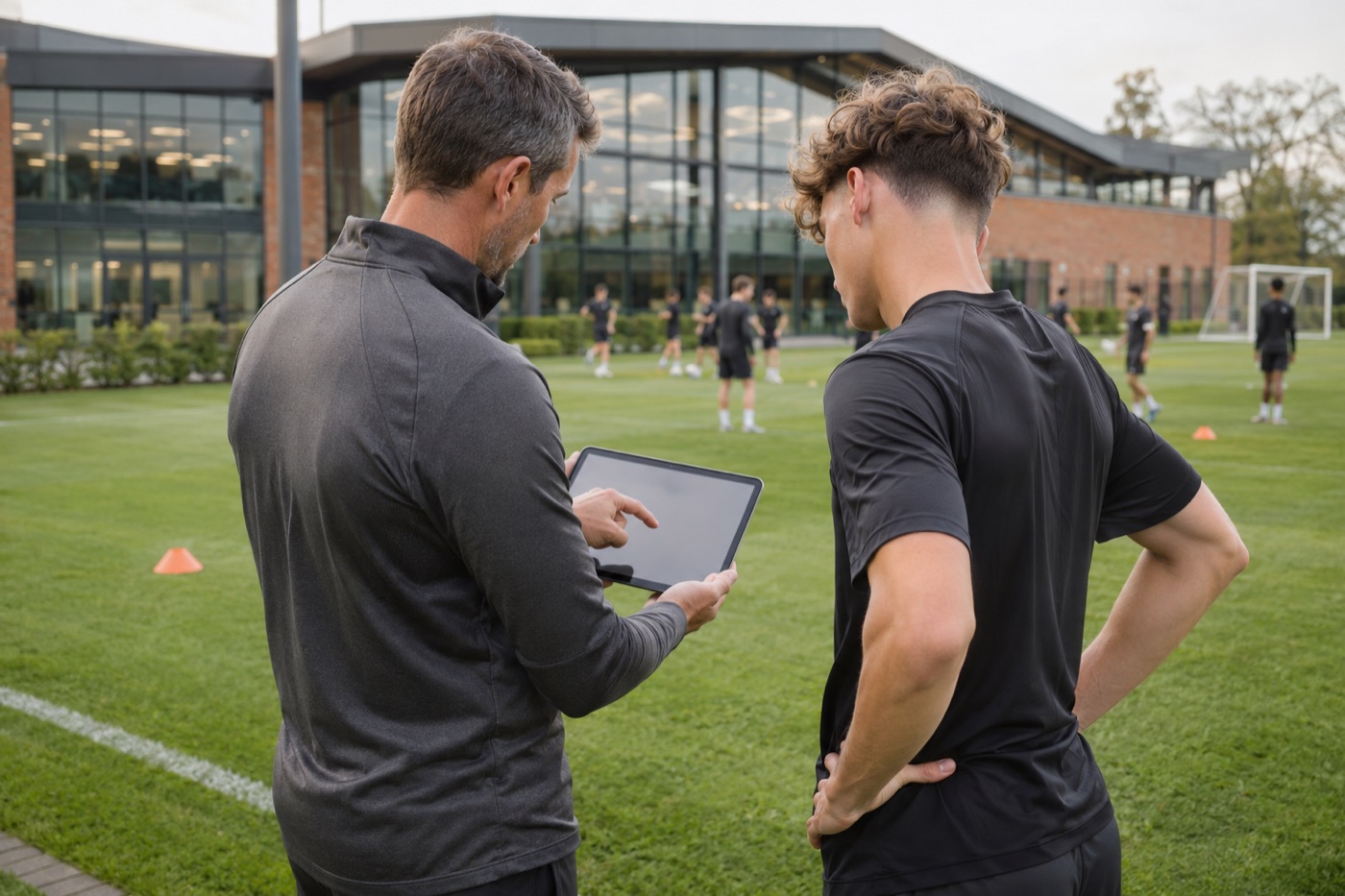
As a mental health doctor, I wrestle with questions about the meaning we derive from our experiences and how we can develop healthy ways of overcoming adversity.
These same questions led me to mental performance coaching. Both seek the truth in how we can become our best selves, but it's through coaching that I get to work on shaving off the fine margins to optimal performance.
I have completed formal training as a Coach, accredited by the International Coaching Federation (Level 2), the European Mentoring and Coaching Council (Senior Practitioner), and the Association for Coaching.
Unlike in therapy, where people need healing, young athletes who receive coaching begin their journey ready and able to change, seeking self-awareness and willing to explore what's holding them back.
If you're interested in the insights, frameworks, and theories that shape my thinking, you may be interested in How I Think.
If you're working in an academy, I'd be interested to hear which parts of developing young players you find most difficult and most rewarding. I'm keen to learn what you're doing already and how your system could be more effective.
Insights that shifted something with me, shared with you.




If you're working in an academy, I'd be interested to hear which parts of developing young players you find most difficult and most rewarding. I'm keen to learn what you're doing already and how your system could be more effective.